
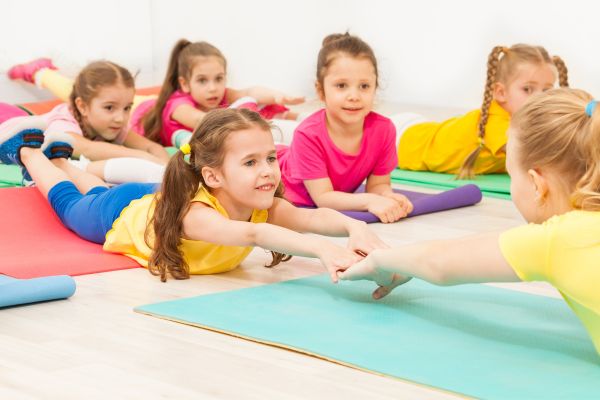
Balancing school and sports can feel like walking a tightrope for many families. One side holds academic expectations, homework deadlines, and classroom focus. The other carries practices, games, team commitments, and the emotional highs and lows of competition. When handled well, this balance can help children grow into confident, disciplined, and well-rounded individuals. When it tips too far in one direction, stress often follows.
The challenge is not choosing between school and sports, but learning how they can exist together in a healthy, realistic way. Every child is different, and there is no single formula that works for everyone. Still, there are shared principles that make balancing school and sports not only possible, but genuinely rewarding.
Why Both School and Sports Matter in a Child’s Life
School builds the foundation. It shapes how children think, communicate, solve problems, and understand the world around them. Academic habits developed early often follow children into adulthood, influencing future education and career opportunities.
Sports, however, offer lessons that textbooks cannot fully teach. Through athletics, children learn teamwork, resilience, time awareness, and how to handle both success and disappointment. Physical activity also supports mental health, improving focus, mood, and confidence.
When school and sports are treated as competing priorities, children may feel forced to sacrifice one part of themselves. When they are viewed as complementary, each can strengthen the other. The key lies in balance, not perfection.
Understanding the Real Challenges of Balancing School and Sports
Before solutions can work, it helps to be honest about the challenges. Busy schedules are often the most obvious issue. After a full school day, practices, games, or travel can leave little time for homework, rest, or family connection.
Fatigue is another quiet obstacle. Physical exhaustion from sports can make it harder to concentrate in class or complete assignments thoughtfully. On the flip side, academic pressure can drain the energy children need to enjoy sports.
There is also emotional stress. Children may feel pressure to perform well academically while also meeting expectations from coaches, teammates, or even themselves. Without guidance, this stress can build silently.
Recognizing these challenges does not mean reducing expectations. It means responding with understanding and structure rather than frustration.
Creating a Routine That Supports Both Commitments
A consistent routine is often the backbone of balancing school and sports. Children thrive when they know what to expect and when responsibilities feel predictable rather than chaotic.
Establishing regular times for homework, practice, meals, and sleep helps reduce decision fatigue. When children are not constantly wondering what comes next, they can focus more fully on the task in front of them.
Flexibility still matters. Some weeks are heavier academically, others are packed with games or tournaments. A strong routine allows for adjustments without everything falling apart. Parents can model this flexibility by treating schedule changes as normal, not as crises.
Over time, routines teach children how to manage their own time, a skill that will serve them long after school sports are over.
The Role of Sleep in Academic and Athletic Balance
Sleep is often the first thing sacrificed when schedules get tight, yet it may be the most important factor in balancing school and sports. Growing bodies and minds need rest to recover, learn, and perform.
Lack of sleep affects concentration, memory, reaction time, and mood. A child who is overtired may struggle in class, feel irritable at practice, or lose enjoyment in activities they once loved.
Protecting sleep means setting realistic expectations. Late-night homework marathons or constant early-morning practices can take a toll if they become routine. When possible, adults should help children prioritize rest as a non-negotiable part of their schedule, not a luxury.
Teaching Time Management as a Life Skill
Balancing school and sports offers a powerful opportunity to teach time management in a real-world context. Instead of handling everything for children, parents can guide them in planning their own responsibilities.
This might start with simple conversations about upcoming assignments and practices. Over time, children can learn to estimate how long tasks take, recognize busy periods, and adjust their efforts accordingly.
Mistakes will happen. A forgotten assignment or rushed homework is often part of the learning process. These moments are more valuable when treated as lessons rather than failures. The goal is not flawless scheduling, but growing awareness and accountability.
Communication Between Parents, Coaches, and Teachers
Clear communication can ease much of the tension that comes with balancing school and sports. When adults in a child’s life understand the full picture, they are better equipped to offer support.
Parents can help by staying informed about academic expectations and sports schedules. When conflicts arise, early communication often prevents misunderstandings. Teachers may offer flexibility when they know a child is juggling major commitments, and coaches may adjust expectations when academics require extra attention.
Most importantly, children should feel included in these conversations. When they understand that adults are working together rather than pulling them in different directions, stress often decreases.
Helping Children Listen to Their Own Limits
One of the most overlooked aspects of balancing school and sports is teaching children to recognize their own limits. Not every child needs to play every season or join every team. Not every academic opportunity must be pursued at the same time.
Encouraging children to reflect on how they feel physically and emotionally builds self-awareness. Are they excited, overwhelmed, or constantly exhausted? These signals matter.
Balance sometimes means saying no, even to good opportunities. Helping children understand that rest and enjoyment are part of success can prevent burnout and preserve long-term motivation.
Keeping Perspective During High-Pressure Moments
There will be times when balance feels harder to maintain. Big exams, playoffs, or transitions between school years can bring added pressure. During these moments, perspective becomes essential.
School and sports are both important, but neither defines a child’s entire worth. Reminding children that effort matters more than outcomes helps reduce fear of failure. Celebrating growth, improvement, and resilience keeps the focus on learning rather than constant performance.
When adults model calm responses to stress, children often follow. Balance is as much about emotional tone as it is about scheduling.
A Natural Conclusion on Balancing School and Sports
Balancing school and sports is not a static achievement. It shifts as children grow, interests change, and responsibilities evolve. What works one year may need adjustment the next, and that is completely normal.
When approached with empathy, structure, and open communication, balancing school and sports can become a source of strength rather than stress. Children learn how to manage their time, listen to their bodies, and value both mental and physical growth.
In the end, balance is less about doing everything perfectly and more about creating a life where learning and movement coexist in a way that feels sustainable. That lesson, perhaps more than any trophy or report card, is one children will carry with them for years to come.