
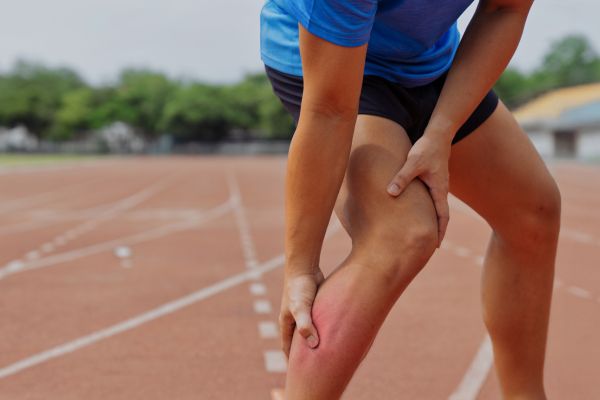
A groin strain can feel like a small injury at first, just a sharp pull in the inner thigh or a tight ache after training. But anyone who has dealt with one knows how quickly it can interfere with ordinary movement. Walking, changing direction, climbing stairs, kicking, skating, sprinting, or even getting out of a chair can suddenly feel awkward and uncomfortable.
Groin strain recovery is not usually about doing one magic stretch or waiting until the pain disappears on its own. It is a gradual process that asks for patience, smart movement, and a careful return to strength. The groin muscles, often called the adductors, help pull the thigh inward and support many athletic movements. When these muscles are overstretched or torn, pushing too hard too soon can make the injury worse or extend the healing time. Cleveland Clinic notes that returning before the body is ready can turn a minor groin injury into a longer recovery.
This does not mean staying completely still for weeks. It means respecting the injury while giving the body the right kind of work at the right time.
Understanding What a Groin Strain Really Is
A groin strain usually happens when the muscles of the inner thigh are stretched beyond their limit. It can occur during quick changes of direction, sudden acceleration, kicking, lunging, slipping, or overreaching during exercise. Sports such as football, soccer, hockey, tennis, martial arts, and track events often place heavy demand on the groin area.
The pain may come on suddenly, almost like a snap or pull, or it may build gradually after repeated stress. Some people feel soreness deep in the inner thigh. Others notice weakness, stiffness, bruising, swelling, or discomfort when bringing the legs together.
Groin strains are often described as mild, moderate, or severe. A mild strain may feel uncomfortable but still allow some movement. A moderate strain can make walking, training, or changing direction difficult. A severe strain may involve significant pain, swelling, and loss of strength. If pain is intense, there is major bruising, walking is difficult, or symptoms do not improve, it is sensible to seek medical guidance rather than guessing.
The First Stage Is About Calming the Injury
The early stage of groin strain recovery is not the time to test how tough you are. The goal is to reduce irritation and protect the injured tissue while it begins to heal. That usually means stepping back from running, jumping, heavy lifting, kicking, or any movement that brings sharp pain.
Gentle rest is different from complete avoidance of movement. Short, comfortable walking may be fine for some people, while others need more support in the first few days. The key is to avoid anything that increases pain during or after the activity.
Ice can be useful in the early phase, especially when there is soreness or swelling. Compression shorts may also help some athletes feel supported, though they should not be so tight that they cause discomfort. Pain-free movement is usually better than forcing stretches too early.
This stage can be frustrating because athletes naturally want to “do something.” But sometimes the most productive thing is simply not making the injury worse.
Do Not Rush the Stretching
Many people assume that a groin strain needs aggressive stretching right away. That can backfire. A strained muscle is already irritated, and deep stretching in the early phase may pull on healing tissue before it is ready.
A better approach is to wait until the sharp pain settles. Then, gentle mobility can be added slowly. The stretch should feel mild, not intense. If the body reacts with more soreness later that day or the next morning, the stretch was probably too much.
Simple positions, such as a gentle seated butterfly stretch or a supported wide-knee rock-back, may help restore comfort over time. The important word is gentle. You are not trying to win a flexibility contest. You are reminding the muscles that they can move again without threat.
Recovery often improves when stretching is paired with strengthening. Flexibility alone is rarely enough, especially for athletes who need to sprint, cut, pivot, or kick.
Strength Comes Back Gradually
Once pain begins to settle, strengthening becomes a central part of groin strain recovery. The adductors need to regain their ability to contract, support the pelvis, and tolerate sport-specific movement.
Early strengthening may begin with very simple isometric exercises. For example, lying on your back with knees bent and gently squeezing a soft ball, pillow, or folded towel between the knees can help activate the inner thigh muscles without large movement. The squeeze should be mild at first. If there is sharp pain, the body is not ready.
As comfort improves, side-lying leg lifts, standing band movements, bridges, and controlled hip exercises may be introduced. The AAOS hip conditioning program includes movements such as hip abduction and other strengthening drills that support hip stability as part of a structured return to activity.
The purpose is not just to make the groin stronger in isolation. The hips, glutes, core, and thighs all work together. A weak or poorly controlled hip can place more strain on the groin during sport. That is why a complete recovery plan usually includes the whole lower body, not only the painful area.
Pain Should Guide the Pace
One of the simplest rules in recovery is also one of the most useful: pain should guide progression. A little mild discomfort may happen during rehab, but sharp pain, limping, or increasing soreness afterward is a sign to slow down.
A helpful way to think about it is the next-day test. If an exercise feels acceptable while doing it but leaves the groin more painful the next morning, the workload was likely too high. Reduce the intensity, range of motion, or number of repetitions before trying again.
This is where patience matters. Groin injuries often feel better during daily life before they are truly ready for sport. Walking without pain does not always mean sprinting is safe. Climbing stairs comfortably does not mean the groin can handle sudden direction changes.
The body needs a bridge between normal movement and full performance.
Returning to Running and Sport
Returning to sport should happen in stages. First comes comfortable walking. Then light jogging. Then controlled acceleration. After that, athletes can begin adding changes of direction, lateral movement, cutting, kicking, or sport-specific drills.
Each step should feel controlled before moving to the next. If pain returns, it is not a failure. It is information. The body is saying the load needs to be adjusted.
For field and court athletes, side-to-side movement is especially important. Groin muscles are heavily involved when the body shifts laterally or stops suddenly. A player may jog straight ahead without symptoms but feel pain when cutting sharply. That is why return-to-play decisions should not be based only on straight-line running.
Coaches and athletes should also pay attention to confidence. After a groin strain, some athletes protect the injured side without realizing it. They may shorten their stride, avoid full speed, or hesitate during changes of direction. Rebuilding trust in the body is part of recovery too.
Why Rest Alone Is Not Enough
Rest can reduce pain, but it does not fully prepare the body for sport. If an athlete rests until the groin feels better and then returns directly to high-intensity activity, the same muscles may still be weak, stiff, or poorly conditioned.
That is one reason groin strains can become recurring injuries. The pain disappears, but the underlying weakness or movement issue remains. A thoughtful recovery plan helps reduce that risk by rebuilding strength, mobility, and control before full return.
This does not mean every person needs a complicated program. But recovery should include more than waiting. Gentle mobility, progressive strengthening, controlled running, and gradual sport-specific movement all have a role.
A good rehab process feels almost boring at times. It is steady, repetitive, and careful. But that is often what makes it effective.
When to Get Professional Help
Some groin strains settle with careful home management, but not all groin pain is simple. Pain in the groin can also come from hip problems, hernias, nerve irritation, tendon injuries, or other conditions. Cleveland Clinic explains that groin pain can have many possible causes, including pulled muscles and hernias, which is why diagnosis matters when symptoms are unclear.
Professional advice is especially important if the pain is severe, there is a popping sensation, bruising spreads quickly, walking is difficult, symptoms keep returning, or there is pain in the testicle, abdomen, or hip joint. It is also wise to get help if recovery stalls after a couple of weeks.
A physical therapist or sports medicine professional can assess strength, flexibility, movement patterns, and readiness to return. That outside view can prevent guesswork, especially for athletes eager to get back.
Preventing Another Groin Strain
Prevention is not about eliminating all risk. Sports always carry some risk. But better preparation can lower the chances of repeated strains.
A proper warm-up matters. The groin muscles respond better when the body is gradually prepared for speed, direction changes, and explosive movement. Dynamic warm-ups, hip mobility drills, glute activation, and progressive sprinting can all help prepare the lower body.
Strength training is just as important. Adductors need direct work, but they also need support from the glutes, hamstrings, quads, and core. When the body shares load well, one muscle group is less likely to become overloaded.
Fatigue is another factor. Many strains happen late in training or competition when control begins to fade. Building conditioning and respecting recovery days can help athletes maintain better movement quality.
Conclusion
Groin strain recovery takes patience because the injury sits in a part of the body that is involved in almost everything: walking, turning, sprinting, balancing, and changing direction. It can be tempting to rush back as soon as the pain fades, but true recovery means restoring strength, mobility, confidence, and control.
The smartest approach is gradual. Calm the injury first, move gently when the body allows it, build strength step by step, and return to sport only when movement feels strong and controlled. Rest matters, but it is not the whole story. A groin strain heals best when care, patience, and progressive movement work together.
In the end, recovery is not just about getting rid of pain. It is about returning with a body that is ready to move well again.