
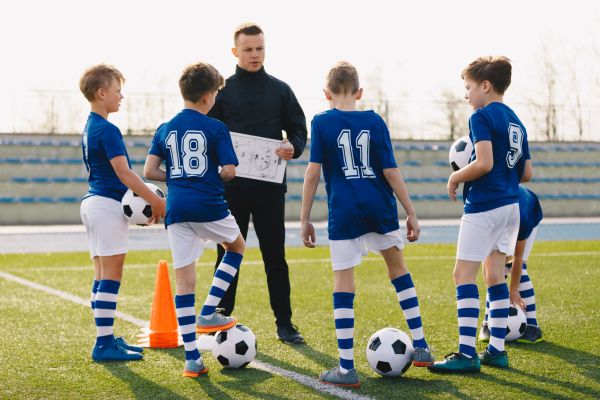
Becoming a sports coach is not simply a matter of knowing the rules or having played the game yourself. Coaching requires patience, communication, planning, emotional awareness, and the ability to make decisions while everyone else is watching. A good coach teaches technique, but also helps athletes handle pressure, mistakes, competition, and improvement.
The path into coaching can look different depending on the sport, age group, and level of competition. Someone working with a local youth team will face different expectations from a coach preparing professional athletes. Still, the essential steps to become a sports coach are surprisingly consistent. The journey begins with understanding the role and continues through education, experience, reflection, and steady professional development.
Understand What Coaching Really Involves
Many aspiring coaches enter the field because they love a particular sport. That enthusiasm matters, but it is only the starting point. Coaching is ultimately about helping other people perform, learn, and grow.
A coach must plan training sessions, demonstrate skills, monitor progress, communicate with athletes, and respond to unexpected problems. Depending on the setting, the role may also involve speaking with parents, coordinating with officials, managing equipment, recording results, or organizing travel.
There is an emotional side to the work as well. Athletes may arrive frustrated, distracted, nervous, or overly confident. A coach must know when to challenge someone and when to offer support. This balance is rarely learned from a rulebook. It develops through observation and real experience.
Before pursuing qualifications, spend time thinking about the kind of coach you want to become. Consider whether you enjoy teaching beginners, developing young athletes, managing teams, or working with individuals on advanced performance.
Choose a Sport and Coaching Level
The next stage is deciding where to focus. Most coaches begin with a sport they already understand, either through playing experience or long-term interest. Familiarity with the game makes it easier to recognize movement patterns, tactical decisions, and common mistakes.
Playing experience can be valuable, but it is not an absolute requirement. A former athlete may understand competition from the inside, while someone without an extensive playing background may become an excellent teacher through study and careful observation. Coaching and playing are related skills, not identical ones.
It is equally important to select an appropriate level. Youth coaching generally emphasizes participation, basic technique, safety, and enjoyment. School and club teams may introduce more structured tactics and performance goals. At elite levels, coaching becomes highly specialized and often involves analysts, medical staff, strength coaches, and other professionals.
Starting at a realistic level gives new coaches room to learn without taking on responsibilities they are not yet prepared to handle.
Learn the Rules and Technical Foundations
A coach needs a reliable understanding of the sport. This includes official rules, scoring systems, equipment standards, positions, movement techniques, tactical principles, and safety requirements.
Knowledge should extend beyond what happens during competition. Coaches must understand how skills develop over time and how training activities connect to actual performance. A drill may look impressive, but it has little value if athletes cannot apply the lesson during a match.
Studying different coaching styles can be useful at this stage. Watch experienced coaches lead sessions and notice how they explain instructions, organize space, correct mistakes, and maintain attention. Pay particular attention to how they simplify difficult concepts. Deep knowledge is important, but the ability to make that knowledge understandable is what turns it into coaching.
Rules and accepted practices also change. A responsible coach continues checking current guidance rather than relying entirely on what was true during their own playing years.
Complete Relevant Coaching Qualifications
Formal certification is one of the most practical steps to become a sports coach. Requirements vary by country, sport, and organization, so aspiring coaches should consult the relevant governing body before enrolling in a course.
Entry-level programs usually cover session planning, basic technique, communication, athlete welfare, risk management, and professional responsibilities. More advanced qualifications explore subjects such as tactical analysis, long-term athlete development, performance psychology, and program design.
Certification does more than strengthen a résumé. A well-structured course gives new coaches a framework for making decisions. It explains why certain practices are recommended and encourages coaches to consider the needs of different athletes.
Qualifications should be treated as a foundation rather than proof that learning is complete. Passing an assessment confirms a certain level of knowledge, but real coaching ability develops through repeated practice.
Study First Aid and Athlete Safety
Every coach carries a duty of care. Even in non-contact sports, athletes can experience falls, strains, heat illness, allergic reactions, or other medical problems. Basic first-aid training helps a coach respond calmly while appropriate medical support is arranged.
Safety also involves preventing avoidable harm. Coaches should inspect playing areas, use suitable equipment, plan appropriate warm-ups, and avoid training loads that exceed an athlete’s ability. Weather conditions, hydration, recovery time, and protective equipment all require attention.
Those working with children may need safeguarding education, background checks, or additional clearance. These requirements are not administrative inconveniences. They protect athletes and establish clear standards for appropriate behavior.
A safe environment includes emotional well-being too. Humiliation, intimidation, and constant criticism may produce short bursts of compliance, but they rarely create confident, healthy athletes. Respect should remain present even during demanding training.
Gain Experience as an Assistant or Volunteer
Classroom learning becomes meaningful once a coach steps onto the field. Assisting an established coach is often the best way to begin because it provides practical experience without placing every decision on the newcomer.
An assistant may organize warm-ups, supervise small groups, prepare equipment, or lead a short section of training. These tasks reveal how much timing and organization matter. A drill that appears simple on paper can become confusing when several athletes need space, feedback, and clear instructions at once.
Volunteering with schools, community clubs, recreation programs, or local teams can also create useful opportunities. The goal is not merely to collect hours. New coaches should observe how athletes respond, ask for feedback, and think honestly about what went well.
Early sessions will not always be smooth. Instructions may take too long, an activity may fail, or the group may lose focus. Those moments are uncomfortable, but they are also where much of the learning happens.
Develop Strong Communication Skills
Coaches spend a large portion of their time communicating. They explain tasks, ask questions, correct technique, settle disagreements, and give feedback after success or failure.
Clear instructions are usually brief and specific. Athletes need to know what they are doing, why it matters, and what a successful attempt looks like. Too much information can be as confusing as too little, especially for beginners.
Listening is equally important. Athletes may notice physical discomfort, tactical problems, or emotional pressures that are not immediately visible. A coach who listens carefully gains information that can improve both performance and trust.
Communication should also adapt to the individual. One athlete may respond well to direct correction, while another needs time to process feedback. Fair coaching does not always mean speaking to everyone in exactly the same way. It means giving each person a genuine opportunity to improve.
Learn to Plan Effective Training Sessions
A productive session needs a clear purpose. Rather than filling time with unrelated exercises, coaches should decide what athletes need to learn and build the session around that objective.
Training often moves from preparation into focused skill work and then toward activities that resemble competition. The exact structure depends on the sport, but progression matters. Athletes should have enough challenge to remain engaged without being placed in situations where repeated failure becomes inevitable.
Plans also need flexibility. Attendance may change, equipment may be unavailable, or athletes may understand a skill more quickly than expected. Good coaches adjust without losing sight of the session’s main goal.
Keeping short notes after training can be extremely helpful. Recording what worked, what felt rushed, and what needs to be revisited turns everyday experience into long-term development.
Build a Personal Coaching Philosophy
As experience grows, coaches begin developing their own principles. A coaching philosophy describes what matters most, how athletes should be treated, and what success means beyond the scoreboard.
For some coaches, development and enjoyment come first. Others work in environments where performance results carry greater weight. Even then, values such as honesty, discipline, fairness, and responsibility should guide decisions.
A philosophy becomes especially useful during difficult moments. It helps a coach respond consistently to poor behavior, selection disputes, losing streaks, and pressure from parents or administrators. Without clear principles, decisions can easily shift according to emotion or outside influence.
The philosophy does not need to be complicated. It should simply be honest, practical, and visible in the coach’s daily behavior.
Continue Learning Throughout Your Career
Coaching never reaches a point where nothing more can be learned. Sports evolve, training research develops, and every group of athletes presents different challenges.
Workshops, advanced qualifications, books, match analysis, and conversations with other coaches can all support continued growth. Mentorship is particularly valuable because an experienced coach can notice habits that are difficult to see from the inside.
Self-reflection matters just as much. After competitions and training sessions, ask whether the athletes understood the plan, received useful feedback, and had an appropriate level of challenge. A coach who reflects regularly becomes more adaptable and less likely to repeat the same mistakes.
Turning Knowledge Into Positive Influence
The steps to become a sports coach involve much more than earning a certificate. They include studying the game, protecting athlete welfare, gaining practical experience, communicating clearly, and developing values that can withstand competitive pressure.
The strongest coaches are not always the loudest people beside the field. Often, they are the ones who prepare carefully, notice small details, remain composed, and understand that every athlete learns differently.
Coaching can be demanding, and progress is rarely tidy. Yet it offers something deeply rewarding: the chance to help people become more skilled, confident, disciplined, and connected to a sport they enjoy. That influence, built patiently over time, is what gives coaching its lasting value.