
The Long Road Toward October
The MLB World Series 2026 preview begins with a simple truth: baseball rarely follows the cleanest script. The regular season is long enough to expose weak bullpens, tired rotations, streaky lineups, and front offices that waited too long to fix obvious problems. Yet it is also strange enough to reward a team that gets hot at exactly the right time.
That is what makes the 2026 World Series so interesting to think about before the matchup is confirmed. The contenders are taking shape, but October baseball has its own personality. A club can look unbeatable in June, stumble through August, and then suddenly become dangerous again once the postseason begins. Another team can spend months building a strong record, only to run into one dominant starting pitcher and see everything collapse in a week.
The World Series is not simply about being the best team over 162 games. It is about being healthy, sharp, adaptable, and calm when the margins become painfully thin. The 2026 edition should be no different.
Why the 2026 Race Feels Wide Open
Every baseball season has favorites, but favorites do not always survive the postseason. The 2026 race has a familiar mix of heavyweight clubs, rising teams, and dangerous outsiders. Big-market powers still carry serious expectations, but the modern playoff format gives more teams a realistic path into October.
That wider field changes the feeling of the race. A team does not need to be perfect for six months. It needs to qualify, build momentum, and find the right matchups. A strong bullpen, two reliable starters, and a lineup that can manufacture runs can be enough to turn a wild-card team into a nightmare opponent.
This is why the 2026 World Series conversation should not be limited to the obvious names. The Dodgers, Yankees, Braves, Mariners, Cubs, Tigers, Phillies, Orioles, Astros, Rangers, and several others may all have paths depending on health, deadline decisions, and late-season form. Baseball does not care much for preseason certainty. It enjoys making predictions look foolish.
The Teams With the Strongest Championship Profiles
The strongest World Series candidates usually share a few traits. They have rotation depth, not just one ace. They have a lineup that can score in different ways. They defend well enough to avoid giving away extra outs. Most importantly, they have a bullpen that can handle October’s strange rhythm, where the fifth inning can suddenly feel like the ninth.
The Dodgers remain one of the easiest teams to imagine in the final series because of their star power, depth, and ability to survive injuries better than most clubs. Their ceiling is enormous, but the same question follows them every year: can their pitching hold up when every postseason inning feels like a separate test?
The Yankees, if healthy and balanced, always carry World Series weight. Their power can change a game quickly, and their brand of October baseball depends heavily on whether the lineup avoids long cold stretches. They do not need to score ten runs every night. They need timely damage, cleaner at-bats with runners on base, and enough pitching stability to keep pressure off the offense.
The Braves are another natural contender when their core is right. They can overwhelm teams with power, but postseason baseball often asks for a little more patience. If their lineup avoids becoming too homer-dependent, they have the tools to beat anyone.
The Mariners and Tigers represent a slightly different kind of threat. Their path is built more around pitching strength, emerging talent, and the ability to keep games close. Teams like that can be brutal in October. They may not always look flashy, but they can drag opponents into low-scoring games where one swing decides everything.
Pitching Will Shape the Series
More than any other factor, pitching usually decides the World Series. Not always in the obvious way, either. Everyone talks about aces, and of course they matter. But the real turning points often come from the third starter, the middle reliever, or the manager’s decision to pull a pitcher one batter too early or one batter too late.
In 2026, rotation management could be even more important because teams are increasingly cautious with workloads. Starters are often protected during the regular season, but October asks them to stretch beyond comfort. Managers must decide whether to trust a starter facing a lineup for the third time or turn the game over to the bullpen.
That decision can define a series. A dominant starter can save the bullpen and tilt momentum. A shaky relief appearance can undo eight strong innings. In a seven-game World Series, the team with the deeper pitching staff usually has the better chance to recover from one bad night.
Offense Needs More Than Power
Home runs are still October currency. One swing can silence a stadium, flip a series, or rescue a team from six innings of frustration. But relying only on power is risky. The best postseason offenses are not just loud. They are stubborn.
They work counts. They move runners. They punish mistakes. They do not panic when facing elite velocity or nasty breaking stuff. A lineup that can score with a sacrifice fly, a stolen base, a double down the line, or a two-out single is often more dangerous than one waiting for a three-run homer.
That balance could be a major theme in the 2026 World Series. The team that wins may not be the one with the most famous bats. It may be the one that handles situational hitting better. In October, a ground ball to the right side can matter as much as a 450-foot blast.
Defense and Small Details Could Decide Everything
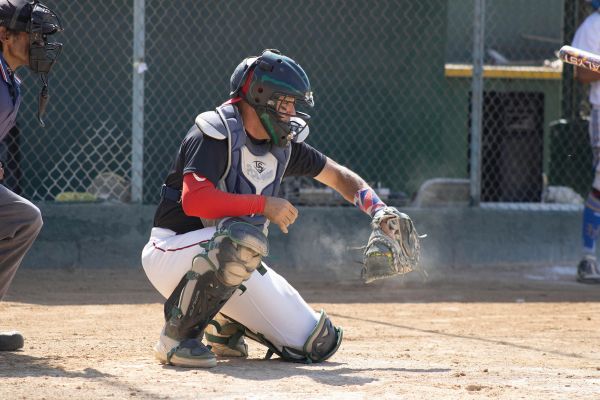
World Series games have a way of exposing small mistakes. A bad route in the outfield. A catcher failing to block a breaking ball. A shortstop rushing a throw. A baserunner hesitating for half a second. These moments may feel ordinary in May, but in October they can live forever.
Defense is sometimes overlooked in previews because it is harder to sell than home runs or ace pitchers. Still, championship teams usually avoid beating themselves. They make the routine play. They limit extra bases. They keep innings from becoming disasters.
Baserunning matters too. A team that takes the extra base at the right time can create pressure without needing a hit. But aggressive baserunning must be controlled. Running into outs during the World Series is one of the fastest ways to shift momentum in the wrong direction.
Managerial Pressure in October
The 2026 World Series will also test managers in a very public way. Every move will be questioned. Every bullpen decision will be replayed. Every lineup change will become a talking point.
Modern baseball gives managers more data than ever, but data does not remove pressure. It only changes the kind of pressure. A manager must balance numbers with feel, player confidence, fatigue, and the mood of the game. Sometimes the spreadsheet says one thing and the dugout says another.
The best October managers are not always the boldest. They are the ones who understand timing. They know when to attack, when to wait, when to protect a lead, and when to let a great player decide the moment.
Prediction: Expect a Tight and Tactical World Series
The most reasonable prediction for the 2026 World Series is a close series, possibly six or seven games. The talent gap among top contenders is not wide enough to expect an easy finish. Once the postseason field narrows, matchups will matter more than reputation.
A team with elite pitching depth and a flexible offense should have the edge. That points toward the clubs that can win both a 7-6 slugfest and a 2-1 grind. The World Series rarely rewards one-dimensional teams for long.
If forced to describe the likely champion’s profile, it would be this: a team with at least two trustworthy starters, a bullpen that can shorten games after the sixth inning, and a lineup that does not disappear when the home runs stop coming. Star names will help, but balance may decide the trophy.
Conclusion
The MLB World Series 2026 preview is still incomplete because the final matchup has not been written yet. That is part of the fun. Baseball spends six months building expectations and then lets October tear them apart.
What feels clear is that the 2026 World Series should be shaped by pitching depth, timely hitting, defensive discipline, and the ability to stay calm when every pitch carries weight. The favorites will enter with pressure. The underdogs will arrive with belief. Somewhere between those two forces, the next champion will emerge.
In the end, the World Series is never just a meeting of two teams. It is the final test of endurance, talent, patience, and nerve. The 2026 edition has all the ingredients to be tense, unpredictable, and deeply memorable.