
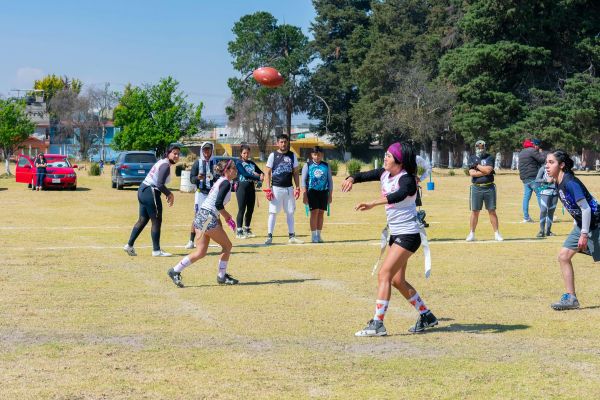
Youth sports have a special kind of energy. On any given weekend, you can see kids chasing soccer balls across damp grass, learning how to swing a bat, missing easy shots, celebrating tiny victories, and slowly figuring out what it means to be part of a team. It is messy, loud, funny, and sometimes a little chaotic. But behind all of it, there is usually a group of adults helping things run smoothly.
That is where volunteering in youth sports becomes so important. It is easy to think youth sports are only about coaches and players, but the truth is that local teams and leagues depend on people who give their time. Parents, neighbors, former athletes, teachers, college students, and community members all play a role. Some coach. Some organize equipment. Some manage schedules. Some keep score, set up cones, handle snacks, or simply help nervous kids feel welcome.
Volunteering may look simple from the outside, but its impact goes much deeper than most people realize.
Youth Sports Need More Than Just Coaches
When people imagine volunteering in youth sports, they often picture someone standing with a whistle and a clipboard. Coaching is certainly one part of it, but it is not the only part. A healthy youth sports program needs many kinds of support.
There are uniforms to sort, fields to prepare, families to contact, games to schedule, registrations to manage, and young players who need guidance before and after practice. A single coach cannot do everything well. When more adults step in, the whole experience becomes better for the children.
This matters because youth sports are often one of the first places where kids learn how groups work. They see adults cooperating, communicating, solving problems, and showing up even when the weather is bad or the schedule is inconvenient. Those small examples teach something. Children notice when grown-ups care enough to be present.
Volunteering Builds a Stronger Community
One of the best things about youth sports is how they bring people together who might not otherwise meet. Families from different neighborhoods, schools, backgrounds, and routines suddenly share the same sidelines. Over time, those quick hellos turn into conversations. Conversations turn into friendships. A local field or gym can become a small community center without anyone officially calling it that.
Volunteers help create that feeling. They are often the ones who welcome new parents, explain how the league works, and make sure no child feels left out. Their presence gives the program a warmer, more human atmosphere.
In many communities, youth sports are more than weekend activities. They are a safe place for children to spend time, make friends, and stay active. When adults volunteer, they help protect that space. They make it possible for leagues to continue, especially in areas where budgets are limited and paid staff are few.
Kids Benefit from Positive Adult Role Models
Children need encouragement from more than just their parents. A coach, team helper, or league volunteer can become an important voice in a child’s life. Sometimes a simple sentence from a trusted adult stays with a young player for years.
“You worked hard today.”
“Try again.”
“I like how you helped your teammate.”
These comments may seem ordinary, but to a child, they can mean a lot. Youth sports provide endless small moments where adults can model patience, fairness, confidence, and kindness. Not every child will become a star athlete, but every child can learn how to handle mistakes, listen to feedback, respect others, and keep going.
Volunteering in youth sports gives adults the chance to support those lessons. A good volunteer does not need to be perfect or know every technical detail of the game. What matters most is reliability, care, and the ability to make kids feel seen.
You Do Not Have to Be an Expert
Many people hesitate to volunteer because they think they are not qualified. They may not know the rules well enough. They may not have played the sport themselves. They may worry about making mistakes or being judged by other parents.
But youth sports need all kinds of helpers, not just experts. A person who is organized can manage team communication. Someone who enjoys working with kids can help at practice. A calm adult can assist during games, comfort upset players, or help keep the sideline positive. Even small tasks can remove pressure from coaches and make the season run better.
Of course, some roles require training, especially coaching, officiating, or working directly with children. But most leagues understand that volunteers are learning too. The willingness to show up often matters more than having a perfect sports background.
Volunteering Helps Keep Sports Accessible
Youth sports can become expensive and complicated, especially when programs rely heavily on paid staff, private training, or outside services. Volunteers help keep community sports more accessible. Their time reduces costs, supports league operations, and makes it easier for more children to participate.
This is especially important for families who cannot afford elite programs or travel teams. Local sports often depend on volunteer energy. Without it, registration fees may rise, teams may shrink, and opportunities may disappear.
When someone volunteers, they are not just helping one team get through a season. They are helping keep the door open for kids who need a place to play. That includes children who are trying a sport for the first time, kids who need more physical activity, and young athletes who simply enjoy being part of something.
Parents See Their Children Differently
For parents, volunteering can offer a new view of their child. It is one thing to watch from the sideline. It is another to see how your child listens, reacts, leads, struggles, laughs, and interacts with teammates.
Sometimes parents discover strengths they did not notice before. Maybe their child encourages others. Maybe they handle losing better than expected. Maybe they are shy at first but slowly become more confident. These little discoveries can be meaningful.
Volunteering also allows parents to share time with their children without hovering too much. It shows support through action. A child may not say much about it, especially as they get older, but they often remember that their parent was involved.
Still, it is important for parent volunteers to keep a healthy balance. The goal is not to control the experience or make every moment about performance. The goal is to help create a space where children can grow.
The Lessons Go Both Ways
Adults often enter youth sports thinking they are there to teach kids. In many ways, they are. But volunteering has a way of teaching adults too.
It teaches patience when a group of eight-year-olds cannot stay in line for more than ten seconds. It teaches humility when a plan falls apart halfway through practice. It teaches communication when families have different expectations. It teaches perspective when a child who barely touched the ball all season finally makes one good play and beams like they won a championship.
These moments remind adults that sports are not only about scores. They are about effort, belonging, and the slow building of confidence. That reminder can be refreshing, especially in a world that often feels rushed and competitive.
A Better Sideline Starts with Involvement
Youth sports can sometimes suffer from negative sideline behavior. Parents may argue with referees, criticize coaches, or put too much pressure on children. Volunteering can shift that energy in a healthier direction.
When adults become part of the work behind the game, they often gain more respect for how much effort it takes. They see the scheduling problems, the emotional needs of players, the difficulty of fair playing time, and the challenge of keeping things positive. It becomes harder to complain casually when you understand what is happening behind the scenes.
Volunteers can also help set the tone. A calm, respectful adult presence can influence other parents and players. It sends a quiet message that youth sports should be competitive, yes, but also decent and supportive.
Small Contributions Still Matter
Not everyone has time to coach a full season, and that is okay. Volunteering does not have to take over your life. Some people can help once a week. Others can assist during tournaments, organize a fundraiser, bring equipment, update schedules, or help at registration.
Small contributions add up. In fact, many youth sports programs survive because different people do small things consistently. One person cannot carry everything forever. A group of people sharing the load makes the experience more sustainable and enjoyable for everyone.
The key is to be realistic. Offer what you can actually do. Reliability matters more than big promises. A volunteer who shows up for one clear task every week is often more helpful than someone who agrees to everything and burns out.
Why Volunteering Leaves a Lasting Mark
Years from now, most kids will not remember every score. They may forget the standings, the tournament results, and the exact details of each season. But they are likely to remember how youth sports felt. They will remember whether they felt encouraged or embarrassed, included or ignored, supported or pressured.
Volunteers help shape that memory. They help decide whether a child sees sports as a source of joy, stress, friendship, discipline, or confidence. That is a meaningful responsibility, but also a meaningful gift.
Volunteering in youth sports is not always glamorous. There may be early mornings, muddy shoes, confused schedules, and long games in bad weather. But there is also laughter, growth, connection, and the quiet satisfaction of knowing you helped create something good for young people.
In the end, youth sports work best when adults remember what they are really for. They are not just about building better athletes. They are about helping kids become stronger, kinder, more confident people. When you volunteer, you become part of that process. And sometimes, without expecting it, you grow right along with them.