
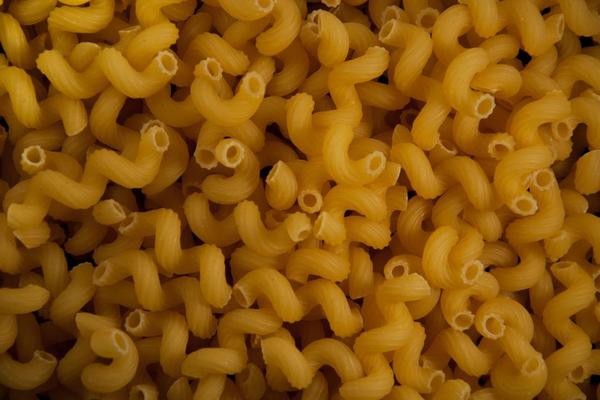
Carbohydrate loading for athletes is often reduced to one oversized pasta dinner. But a single meal rarely tells the full story. For a marathon, long-distance cycling event, or another demanding endurance race, the useful strategy is to arrive at the start with well-stocked muscle glycogen, without upsetting your stomach along the way.
Effective carb loading is less about eating as much as possible and more about matching carbohydrate intake to the event, reducing training demands, and choosing familiar foods. Here is how to decide whether it belongs in your race week nutrition plan.
When carbohydrate loading is worth doing
Carbohydrate loading is most relevant when an event involves sustained or repeated hard exercise lasting roughly 90 minutes or longer. Marathons, long triathlons, endurance cycling races, and some extended team-sport tournaments may fit. The longer and more intense the effort, the more valuable a strong supply of stored carbohydrate can become.
For a short run, a typical gym session, or a race well under 90 minutes, a deliberate loading protocol is usually unnecessary. Eating enough carbohydrate during normal training and arriving adequately fueled may be sufficient. Distance alone does not decide the answer: a fast 90-minute effort and a leisurely outing have different demands.
What changes inside your muscles?
Carbohydrates are stored mainly as glycogen in muscles and the liver. Working muscles draw on their own glycogen during exercise, particularly when intensity rises. Liver glycogen helps maintain blood glucose between meals and during activity. Starting with fuller stores can delay the point at which sustaining your pace becomes difficult.
The old approach involved exhausting training and several days of carbohydrate restriction before loading. That depletion phase is not required for most athletes. Research supports a simpler combination: taper training, increase carbohydrate intake, and allow glycogen stores to rise. Loading does not guarantee a faster finish; pacing, fitness, weather, hydration, and fueling during the event still matter.
How many carbohydrates should athletes eat?
Established endurance nutrition guidance commonly recommends around 10–12 grams of carbohydrate per kilogram of body weight per day during the final 36–48 hours before an event lasting longer than 90 minutes. For a 70-kilogram athlete, that works out to approximately 700–840 grams daily. This is a high intake, not a target everyone can comfortably reach.
A 2026 systematic review found that intakes above 8 grams per kilogram per day for 36–48 hours significantly increased muscle glycogen, while emphasizing uncertainty about one optimal target for every athlete. The practical lesson is to plan around your size, event demands, previous experience, and digestive tolerance rather than chasing a number at any cost.
People managing diabetes, gastrointestinal conditions, or other nutrition-related medical concerns should individualize the approach with a qualified sports dietitian or clinician.
A realistic race-week approach
Two days before: make carbohydrate the centre of meals
As training volume drops, build meals around rice, pasta, potatoes, bread, cereal, or other tolerated carbohydrate sources. Add snacks between meals rather than attempting to fit everything into dinner. Keep some protein, vegetables, and fats in the diet, but avoid unusually large portions of foods that leave you feeling too full to eat again.
The final day: prioritize comfort as well as quantity
Continue spreading carbohydrate across breakfast, lunch, dinner, and snacks. If you are prone to race-morning stomach problems, you may find that lower-fibre choices such as white rice, toast, or peeled fruit are easier to manage than large servings of beans or raw vegetables. This is a temporary, individual adjustment, not a reason to eliminate fibre permanently.
Drink fluids normally throughout the day. Stored glycogen holds additional water, so a small increase on the scale can occur. That is not automatically unwanted body fat, and it does not mean you should force excessive water intake.
Race morning: top up, do not start over
Your pre-event breakfast helps replenish liver glycogen after an overnight fast. Choose something familiar, such as toast with jam, porridge, or a bagel and banana, allowing sufficient time to digest. Practise breakfast timing during training. For more ideas, a separate guide to pre-race breakfast options can help you compare practical choices.
What a 70-kilogram runner could do differently
Imagine a runner preparing for a Sunday marathon. Instead of adding one enormous Saturday dinner, they reduce training during the final days and distribute carbohydrate-rich foods across Friday and Saturday. Breakfast might include cereal, toast, and juice; lunch could be rice with a familiar topping; snacks might include bananas, bagels, or a sports drink; and dinner could feature pasta with a moderate portion of protein.
The exact portions depend on the runner’s intake target and tolerance. Counting the carbohydrate in typical portions during one rehearsal week is more useful than copying somebody else’s menu. It also reveals whether a high target is realistic without leaving the runner bloated.
Common mistakes that undermine carb loading
First, do not experiment with unfamiliar gels, supplements, restaurant meals, or enormous portions right before the start. A theoretically perfect carbohydrate target offers little comfort when gastrointestinal distress interrupts the race.
Second, do not confuse loading with unrestricted eating. Very high-fat meals can make it harder to consume sufficient carbohydrate, while oversized high-fibre meals may increase digestive discomfort. Familiarity and meal distribution matter.
Third, do not combine an aggressive loading plan with hard last-minute workouts. A sensible taper limits the glycogen you burn while trying to replenish it.
Finally, remember that stored fuel is only part of the picture. A race-day fueling plan should consider carbohydrate intake during prolonged exercise, hydration, and opportunities to eat or drink. For many endurance efforts lasting one to two-and-a-half hours, guidance commonly suggests around 30–60 grams of carbohydrate per hour; longer events may benefit from higher, well-practised amounts.
Frequently asked questions
Is carb loading necessary for a half marathon?
It depends on expected finishing time and intensity. Someone racing beyond about 90 minutes may benefit, while a faster runner could be adequately prepared by normal carbohydrate-rich meals and a sensible pre-race breakfast.
Can I carbohydrate load without eating pasta?
Absolutely. Rice, potatoes, bread, cereal, fruit, and tolerated sports drinks can all contribute. Choose foods you already digest well rather than treating one particular meal as essential.
Will carbohydrate loading make me gain weight?
Temporary scale increases are common because stored glycogen is accompanied by water. This should not be confused with an equivalent gain in body fat. Avoid trying to counteract it with dehydration.
Should I stop eating carbohydrates once the race begins?
No. Loading increases starting stores but does not replace fueling during longer events. Practise your during-race carbohydrate and hydration strategy in training, and adjust it to the event duration and your gut tolerance.
Make the plan fit the event
Successful carbohydrate loading is a quiet part of preparation, not a last-minute eating contest. Select a realistic intake, taper appropriately, spread familiar foods through the final 36–48 hours, and protect digestive comfort. Combined with a rehearsed hydration for endurance athletes strategy and sensible on-course fueling, it can help you reach the starting line ready to use the fitness you have built.