
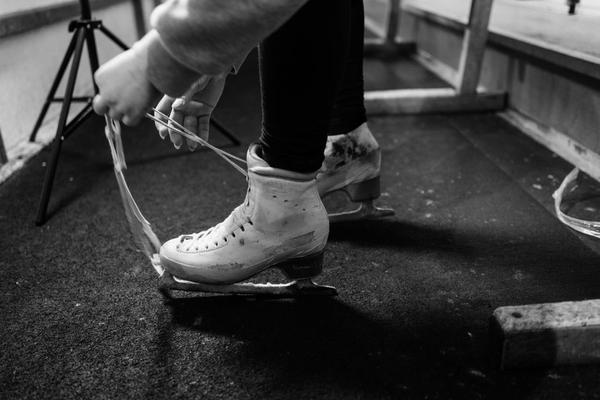
A freshly sharpened figure skate can feel wonderfully precise—or unexpectedly grabby. The difference is not simply how sharp the metal is. Figure skate blade sharpening affects the working edges, the groove between them and, if handled badly, the curved blade shape that makes turns and spins possible. Understanding those details helps you recognise when sharpening is due and explain what you need to a technician.
There is no universal sharpening calendar. Someone practising edge work several times a week may notice changes sooner than a casual weekend skater. The best approach combines on-ice feedback, a record of skating hours and careful everyday maintenance.
What Sharpening Actually Changes
Look at the underside of most traditional figure skate blades and you will find two edges separated by a concave channel, called the hollow. One edge supports inside-edge skating; the other supports outside-edge skating. A sharpening machine removes a small amount of steel to restore both edges and the chosen hollow.
Unlike a kitchen knife, a figure blade is not sharpened to one central point. It needs two usable, reasonably level edges. Uneven sharpening may make one direction feel secure while the opposite edge slips or catches. The blade also has a lengthwise curve, or rocker, that must not be casually ground away.
When Do Figure Skate Blades Need Sharpening?
The clearest signal is a change in how the skates behave. If a familiar outside edge starts sliding sideways, or a controlled turn suddenly feels unreliable, worn edges may be responsible. Repeated skidding on jump entries or landings can be another clue. First rule out unusual ice conditions, loose blade mounting and technique changes.
Some skaters use roughly 20–30 hours on the ice as a starting point for assessing their blades, but it is not a deadline. Ice hardness, skating intensity, existing hollow and accidental contact with gritty flooring all affect edge life. Sharpening too frequently also removes steel unnecessarily.
A Practical Way to Find Your Own Interval
Imagine skating two one-hour sessions each week. After ten weeks, you have logged about 20 hours. If your edges are still predictable, you need not sharpen solely because the calendar says so. If they began slipping after six weeks, note that pattern and book earlier next time. Record the date, skating hours, hollow setting and how the blades felt afterward.
Inspect for nicks after an unexpected scrape off the ice. Do not run a fingertip along an edge to test sharpness; cuts are possible. Persistent snags, visible damage or rust near the working edge warrant professional assessment.
Radius of Hollow: Why One Sharpening Feels Different
The radius of hollow on figure skates describes the curve of the channel across the blade’s underside. A smaller radius produces a deeper hollow and more pronounced edges, often giving stronger bite. A larger radius creates a shallower hollow that may release more easily and feel less grabby. Neither is automatically better.
Skater weight, skill, personal preference and ice hardness influence the choice. A deeper hollow can provide confidence on demanding edges but may make smooth gliding or controlled stopping harder. A shallower hollow can feel freer yet offer insufficient grip for a particular skater and rink.
If your skates felt good before service, ask the technician to match the existing setting rather than requesting the deepest possible hollow. When experimenting, change one variable at a time and use an easy practice session to judge the result. That makes feedback more useful than simply saying the blades feel “too sharp.”
Why the Rocker and Toe Picks Need Special Care
The rocker is the front-to-back curve of a figure blade. It lets skaters shift balance through different blade regions, while the more pronounced curve toward the front contributes to spinning. Toe picks, positioned at the front, are used for certain jump takeoffs and other movements—not as ordinary braking teeth.
Careless grinding can alter the rocker, remove too much metal near a toe pick or change the relationship between the pick and the ice. Routine sharpening should restore edges without reshaping those features. If spins suddenly feel different or the front of the blade starts catching after service, return to a qualified figure-skate technician rather than attempting a home repair.
For a closer look at blade balance, figure skating edges for beginners is a helpful companion topic.
How Professional Figure Skate Sharpening Works
A competent technician checks the blades and asks how they currently feel. Using equipment suited to figure skates, they select the agreed hollow and make controlled grinding passes. The objective is a consistent groove, clean edges and preservation of the original blade profile—not simply removing as much steel as possible.
The technician then checks edge evenness and addresses burrs without rounding the working edges. Significant profiling changes, deep chips or specialty blade designs may require separate attention beyond routine figure skate sharpening.
Questions Worth Asking the Shop
Ask whether the shop routinely handles figure skates rather than mainly hockey skates. Describe slipping, catching or uneven edge feel; request your previous hollow if comfortable; and ask how the rocker and toe picks are protected. Mention specialty or coated blades before work begins.
Protect Your Edges Between Sharpenings
Good skate blade care begins when you leave the ice. Wear hard guards while walking where grit could damage the steel. Remove them before drying the blades, then wipe the edges and mounting area with a cloth. As cold metal warms, condensation can form, so wipe it again after a few minutes.
Use fabric soakers for travel, but let skates and covers air-dry outside the bag afterward. Never leave damp blades stored inside hard guards; trapped moisture encourages rust. Check mounting screws periodically and have looseness assessed. A skate blade maintenance checklist can help make these habits automatic.
Factory preparation varies by brand and model. Some new skates arrive ready for initial use; others benefit from professional sharpening first. Confirm the manufacturer’s advice rather than assuming every new blade is identical. For more on equipment selection, see how to choose figure skates.
Frequently Asked Questions
Can a hockey skate shop sharpen figure skates?
Only if the technician understands figure blades and has appropriate equipment. The rocker and toe picks require particular care. Ask specifically about figure-skate experience.
Do sharper blades always make skating easier?
No. Clean, even edges matter, but a hollow that bites too aggressively can make stopping and edge release uncomfortable. Technique and ice conditions also affect the result.
Should I sharpen immediately before a competition?
Avoid an unfamiliar sharpening immediately before an event. Arrange service early enough to practise and confirm the feel, especially if your hollow setting has changed.
Can sharpening fix rust or a damaged toe pick?
Minor edge wear may be corrected during service, but substantial rust, deep chips or toe-pick damage need individual assessment. Aggressive grinding can shorten blade life or alter its geometry.
Keep a Familiar, Predictable Feel
The goal of figure skate blade sharpening is consistent, trustworthy contact with the ice while preserving the designed rocker and toe picks. Notice changes in edge control, keep a simple skating-hours log and return to a figure-skate specialist who knows your preferred hollow. Together with proper guards and drying, that routine protects your blades and your confidence.