For decades, soccer in the United States seemed to be permanently described as a sport on the verge of a breakthrough. Participation numbers were strong, international matches attracted passionate crowds, and major European clubs built loyal American followings. Yet soccer still competed for attention with football, basketball, baseball, and hockey in a crowded sports market.
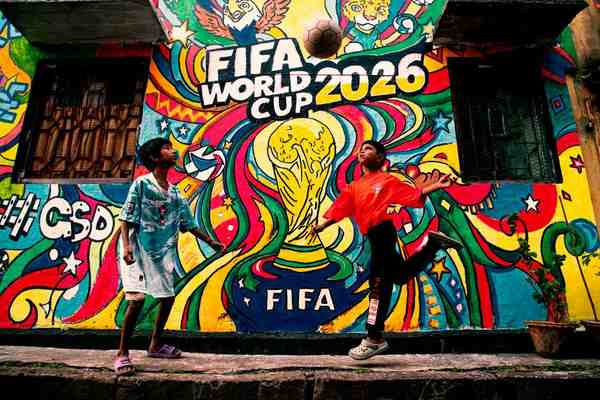
The 2026 World Cup changed that conversation. By bringing the world’s biggest soccer tournament to cities across the United States, Canada, and Mexico, the event placed the sport at the center of American culture for an entire summer. Stadiums filled, watch parties became community events, and casual viewers began following players and national teams they had barely known before the tournament.
Understanding how World Cup 2026 changed soccer in America requires looking beyond match results. Its deeper impact can be seen in television habits, youth participation, local investment, consumer spending, and the way Americans now talk about the sport.
The World Cup Turned Soccer Into a Mainstream American Event
Major international tournaments had attracted American viewers before 2026, but hosting the competition created a different level of visibility. The World Cup was no longer a distant event happening in another time zone. It arrived in American cities, stadiums, restaurants, public spaces, and local news coverage.
That physical presence helped soccer reach people who might not normally watch a league match. Residents saw visiting supporters in city centers, tournament branding at transportation hubs, and fan festivals featuring teams from around the world. Even people without tickets could feel connected to the event.
This mattered because soccer popularity in the USA has often been divided among different audiences. Some fans primarily follow the United States national team. Others support clubs in England, Spain, Mexico, Italy, or Germany. Many families experience the game through youth leagues rather than professional competitions. The World Cup brought those groups together around one shared moment.
Television and Streaming Habits Began to Shift
The tournament also demonstrated that American audiences will make time for soccer when the stakes, storytelling, and access are right. Matches became appointment viewing, while highlights and analysis circulated quickly across social media and digital platforms.
Viewers who started with the United States team often continued watching other nations as the competition progressed. They learned new players, followed tactical debates, and developed an interest in club competitions connected to World Cup stars.
That creates value long after the final whistle. Broadcasters, streaming services, sponsors, and leagues gained a larger audience to reach. Major League Soccer benefited from increased curiosity about the domestic game, while European leagues had an opportunity to convert tournament viewers into regular followers.
The World Cup did not instantly make soccer the most-watched sport in the country. It did, however, strengthen its position as a dependable part of the American sports calendar rather than a niche attraction that becomes relevant once every four years.
Youth Soccer Growth Became a Central Part of the Legacy
One of the clearest signs of a lasting World Cup legacy is what happens at the youth level. Children who watched dramatic goals, penalty shootouts, and packed stadiums could immediately imagine themselves playing the sport.
That inspiration matters because youth soccer growth is not driven only by professional pathways. It also comes from local recreation programs, school teams, community clubs, and parents looking for an accessible sport for their children.
Following the tournament, many communities faced greater demand for coaching, field space, equipment, and organized competitions. That created opportunities, but it also highlighted existing challenges. In some areas, the cost of club soccer remains too high, limiting access for talented young players from lower-income families.
Greater Interest Creates a Need for Better Access
For the 2026 tournament to produce a meaningful development legacy, increased enthusiasm must be supported by affordable programs. More children becoming interested in soccer is only the first step. They also need safe places to play, qualified coaches, reasonable fees, and clear opportunities to progress.
Schools, nonprofits, local governments, professional clubs, and private academies all have a role to play. Communities that use the post-World Cup momentum to improve public fields and expand low-cost leagues are more likely to see lasting participation growth.
American Soccer Culture Became More Confident
Soccer fandom in the United States has sometimes carried an unnecessary sense of insecurity. Supporters were frequently asked whether the sport would ever become truly popular, even while millions of Americans played, watched, and discussed it.
The 2026 World Cup helped move the conversation forward. Instead of debating whether soccer belonged in America, fans could focus on how the domestic game should develop next.
Supporter culture also became more visible. Watch parties brought together families with different national backgrounds, long-time club supporters, first-time viewers, and younger fans discovering international soccer through short-form video. The result was a distinctly American soccer culture influenced by traditions from Latin America, Europe, Africa, Asia, and the Caribbean.
That diversity is one of the sport’s greatest strengths in the United States. Soccer offers immigrant communities a connection to familiar traditions while giving other fans a way to participate in a genuinely global culture.
Host Cities Gained More Than Full Stadiums
The tournament’s business impact extended beyond ticket sales. Host cities welcomed visitors who spent money on hotels, restaurants, transportation, entertainment, and local attractions. Businesses that had never previously marketed themselves around soccer adjusted their services to reach traveling supporters.
Some cities also improved stadiums, training facilities, public spaces, and transportation systems connected to hosting responsibilities. The long-term value of those investments will depend on how effectively they are used after the tournament.
A successful World Cup legacy is not measured only by how impressive a city looked during the event. It is measured by whether local teams, residents, and youth organizations continue benefiting from improved facilities and stronger interest in the sport.
Major League Soccer Entered a New Opportunity Window
For Major League Soccer, the tournament created both momentum and pressure. More Americans became familiar with elite international players and experienced the intensity of high-level competition. That gave the league a larger pool of potential viewers, but it also raised expectations.
Fans attracted by the World Cup want accessible broadcasts, meaningful rivalries, lively stadium atmospheres, and recognizable stars. MLS clubs that connect with their local communities and create compelling matchday experiences are well positioned to retain new supporters.
The same opportunity applies to lower-division and women’s soccer. Interest generated by the tournament can benefit the wider American soccer system when clubs make it easy for new fans to attend matches, understand competitions, and develop a connection to local teams.
The Real Test Comes After the Tournament
Global sporting events always produce a temporary wave of excitement. Merchandise sales rise, public screenings attract crowds, and social media fills with highlights. The harder challenge is converting that attention into lasting habits.
The 2026 World Cup will have truly changed soccer in America if more people continue watching domestic leagues, supporting local clubs, coaching children, attending women’s matches, and investing in community programs.
That means soccer organizations cannot rely on the tournament’s popularity forever. They must provide welcoming experiences, affordable participation, clear schedules, improved facilities, and consistent storytelling. The World Cup opened the door, but leagues and communities must give people a reason to stay involved.
Frequently Asked Questions
How did the 2026 World Cup increase soccer’s popularity in America?
Hosting matches in North America made the tournament more visible and accessible to American audiences. Stadium events, local media coverage, watch parties, advertising, and social media helped introduce the sport to casual viewers while strengthening the enthusiasm of existing fans.
Will the 2026 World Cup lead to more children playing soccer?
It is likely to support youth soccer growth by inspiring children and increasing demand for local programs. The long-term impact will depend on whether communities can provide affordable leagues, suitable fields, trained coaches, and accessible development opportunities.
How will Major League Soccer benefit from the World Cup?
MLS can benefit from increased interest in players, tactics, supporter culture, and live soccer. Converting tournament viewers into regular league fans will require strong local marketing, accessible coverage, competitive matches, and engaging stadium experiences.
What will determine the lasting World Cup legacy in the United States?
The legacy will depend on what happens after the event. Continued growth in participation, stronger domestic leagues, improved facilities, broader media coverage, and affordable access to the sport will matter more than short-term attendance or television interest.
A Turning Point With Long-Term Potential
The 2026 World Cup did not create American soccer culture from nothing. Millions of people were already playing the game, supporting clubs, coaching teams, and following international competitions. What the tournament provided was scale, visibility, and a shared national moment.
Its lasting significance will be found in the children who join their first team, the families who begin attending local matches, the cities that invest in public fields, and the viewers who keep watching after the trophy celebration ends. The tournament proved that soccer can command America’s attention. The next chapter depends on turning that attention into a permanent part of the country’s sporting life.